Energieffektivisering för Företag och Privatpersoner
H Nordic erbjuder både produkter och konsulttjänster inom energieffektivisering. Vi utökar ständigt vårt sortiment av miljövänliga, lönsamma LED belysningslaternativ och har en bred teknisk kompetens inom drift och underhåll.
Vi arbetar nära våra kunder för att kunna erbjuda skräddarsydda lösningar oavsett förutsättningar.
Vad kan vi hjälpa dig med?
LED-Belysning
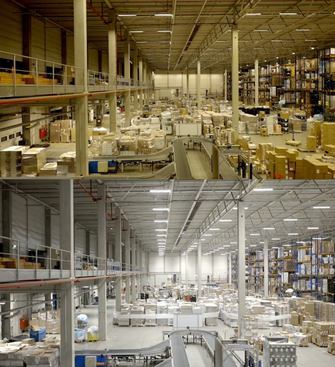
Ditt val av belysning spelar roll. Våra kunder har sparat tusentals kronor på att se över och byta ut befintliga ljuskällor i allt från industribyggnader till garage.
Energieffektivisering behöver inte vara svårt, hitta alternativen hos oss.
Rådgivning
Är det dags för ditt företag eller fastighet att uppdatera sin underhållsplan?
Vi hjälper dig med allt från strategi till projektledning, självklart klimatsmart och med lönsamhet i fokus.
Vindkraft
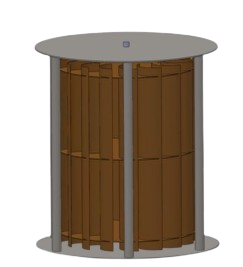
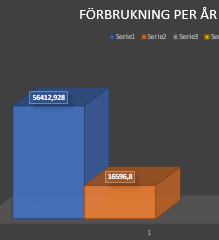
Spara tusentals kilowat varje år genom H Nordics revolutionerande vindkraftverk.
Vi har utvecklat marknadens kraftfullaste småskaliga alternativ, helt utan ljud som är enkel och lätt att montera.